
Grocery shopping, once relegated to a mundane weekly chore, has been entirely redefined by younger generations of women—often referred to as Millennials and Gen Z “girls” in a broader consumer context. For this demographic, the act of purchasing groceries is no longer just a transaction. It’s a complex, multi-layered activity intertwined with social identity, content creation, ethical values, and digital convenience.
Understanding Girls’ Use of Grocery Purchasing is crucial for retailers and marketers. It reveals a powerful consumer segment that treats the grocery store. Whether physical or digital—as a platform for lifestyle expression and community engagement.
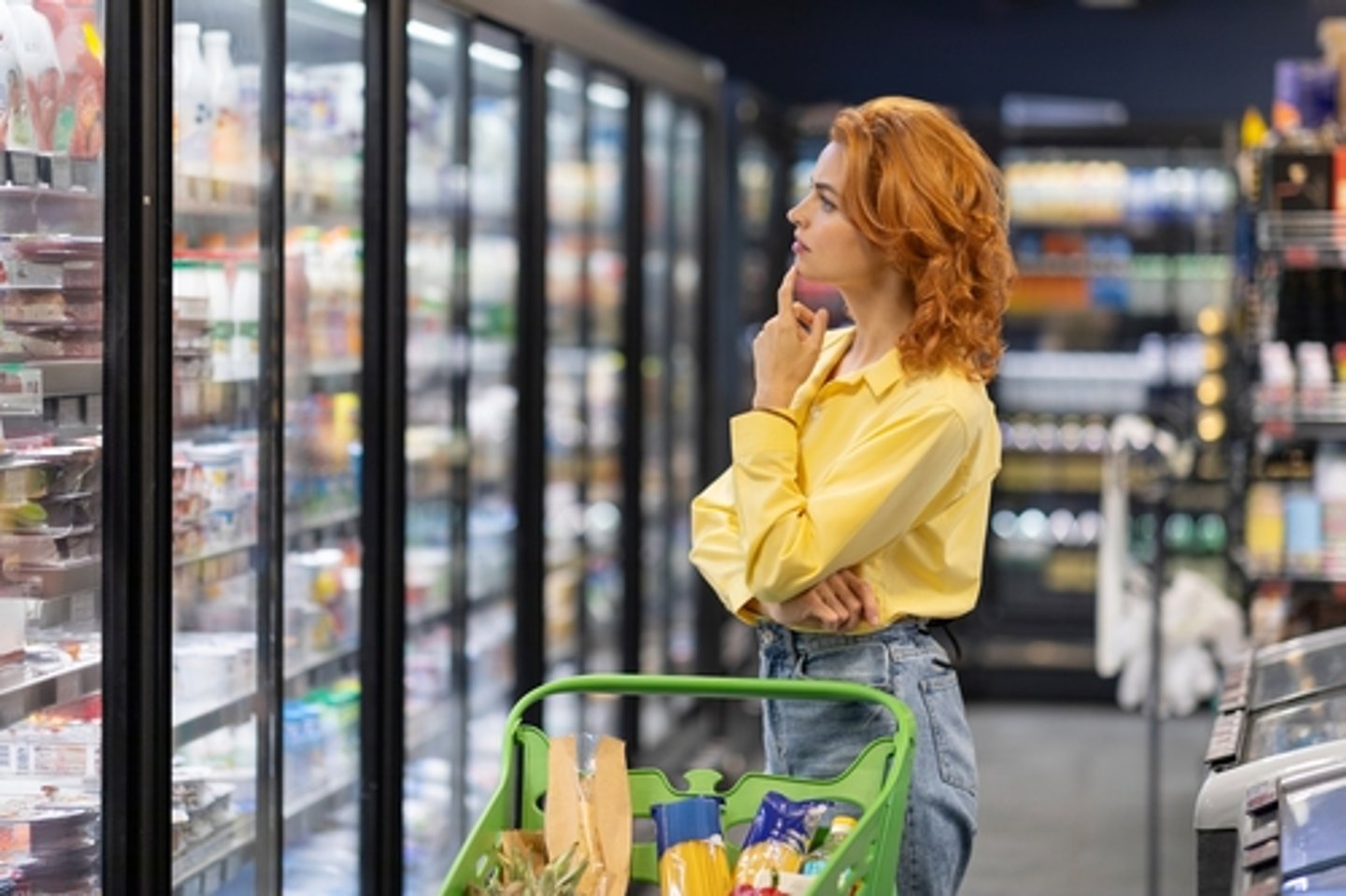
1. The Grocery Aisle as a Social Studio
For young women today, the preparation, selection, and presentation of food have become integral parts of their online personal brand. The physical store and the final pantry are merely stages in this content journey.
Inspiration and Validation via Social Media
The purchasing decision often begins far from the supermarket. Platforms like TikTok and Instagram are saturated with food hauls. Aesthetic pantry tours, and “What I Eat in a Day” videos. Young women look to influencers and peers for:
- Product Discovery: Social media is the primary channel for discovering new brands, niche dietary items (e.g., specific protein powders, rare spice blends, or plant-based alternatives), and viral cooking hacks.
- Aesthetic Alignment: The look of the groceries—colorful produce, minimalist packaging. And aesthetically pleasing displays—is often as important as the quality of the ingredients. The purchase itself is a nod to a desired lifestyle: healthy, sustainable, or gourmet.
- Community Validation: Posting a curated “grocery haul” or a photo of a healthy meal preparation (often using visually appealing ingredients) is a way to gain social approval and communicate personal values to their online community. The purchase is a badge of honor.
The Social Shopping Experience
Despite the rise of online ordering, the in-store trip remains a significant activity. For many, especially college students or young professionals. A trip to a specialty grocer or farmer’s market is a social outing, done with friends or housemates. It’s a shared experience, offering live product commentary, budgeting teamwork. And a break from digital screens—a blend of utility and leisure.
2. Value Redefined: Price, Ethics, and Convenience
The modern young female consumer has a highly nuanced definition of ‘value.’ It’s a complex equation balancing traditional factors like price and quality with newer, more ethical and convenient variables.
The Ethical Imperative
Younger female shoppers are notably more willing to pay a premium for products that align with their values. This is evident in their purchasing decisions:
- Sustainability: They actively seek out brands with transparent sourcing, minimal or zero-waste packaging, and strong commitments to climate action.
- Health and Wellness: Products are heavily scrutinized for ingredients, leading to a strong preference for organic, locally sourced, and functional foods (e.g., items with high protein or specific gut-health benefits).
- Conscious Spending: While price-conscious (often actively searching for digital coupons and loyalty deals), they view their dollars as votes, consciously supporting small, minority-owned, or female-led brands, a phenomenon heavily amplified through social recommendations.
The Convenience of the Omnichannel Shopper
While Millennials and Gen Z women appreciate the speed of online delivery, their grocery purchasing habits are truly omnichannel. They use technology to streamline the process, not eliminate the physical aspect entirely.
- Digital Planning, Physical Execution: They meticulously build digital shopping lists (often shared via apps with household members) before a physical trip, ensuring efficiency.
- “Click and Collect” Preference: Many prefer curbside pickup or in-store collection, blending the convenience of pre-ordering with the desire to avoid high delivery fees and the ability to personally vet fresh produce quality.
3. The Psychological Drivers of Grocery Choice
The decision-making process for young women in the grocery store is often more detailed and cyclical than previous generations, driven by a need for control and emotional connection.
- Detailed Research: Studies suggest that women engage in a more complex, multi-stage decision process, often looping back to re-evaluate choices based on new information, online reviews, or peer feedback.
- Seeking Control: In an increasingly overwhelming world, managing the household food supply is a tangible source of control and nurturing. Curating a pantry with high-quality ingredients is an investment in personal and family well-being.
- Minimizing Cognitive Load: The seamless integration of digital lists, mobile payment, and targeted online promotions helps reduce the cognitive effort associated with weekly shopping, allowing them to focus their energy on the more rewarding aspects—like planning the meal itself.
Conclusion: The Future of Food Retail is Female-Driven
The way young women approach grocery purchasing signals a permanent shift in consumer behavior. Their habits are characterized by a powerful synergy between technology and values, turning a necessary errand into a meaningful lifestyle activity. For retailers, success lies not just in stocking the right products, but in building an experience—both online and in-store—that facilitates social expression, rewards ethical sourcing, and supports the sophisticated, research-driven purchasing decisions of this highly influential demographic. The girl with the shopping cart is, quite literally, defining the future of food retail.