
For a long time, the term cheap shopping carried a slightly negative connotation. People often associated it with poor craftsmanship, flimsy materials, and disposable products destined for a landfill after a few uses. However, a major cultural and economic shift has transformed how modern consumers view frugal purchasing. Today, cheap shopping is no longer about buying low-quality goods out of sheer necessity; it is a deliberate, highly calculated practice aimed at maximizing utility, reducing unnecessary lifestyle inflation, and preserving personal capital.
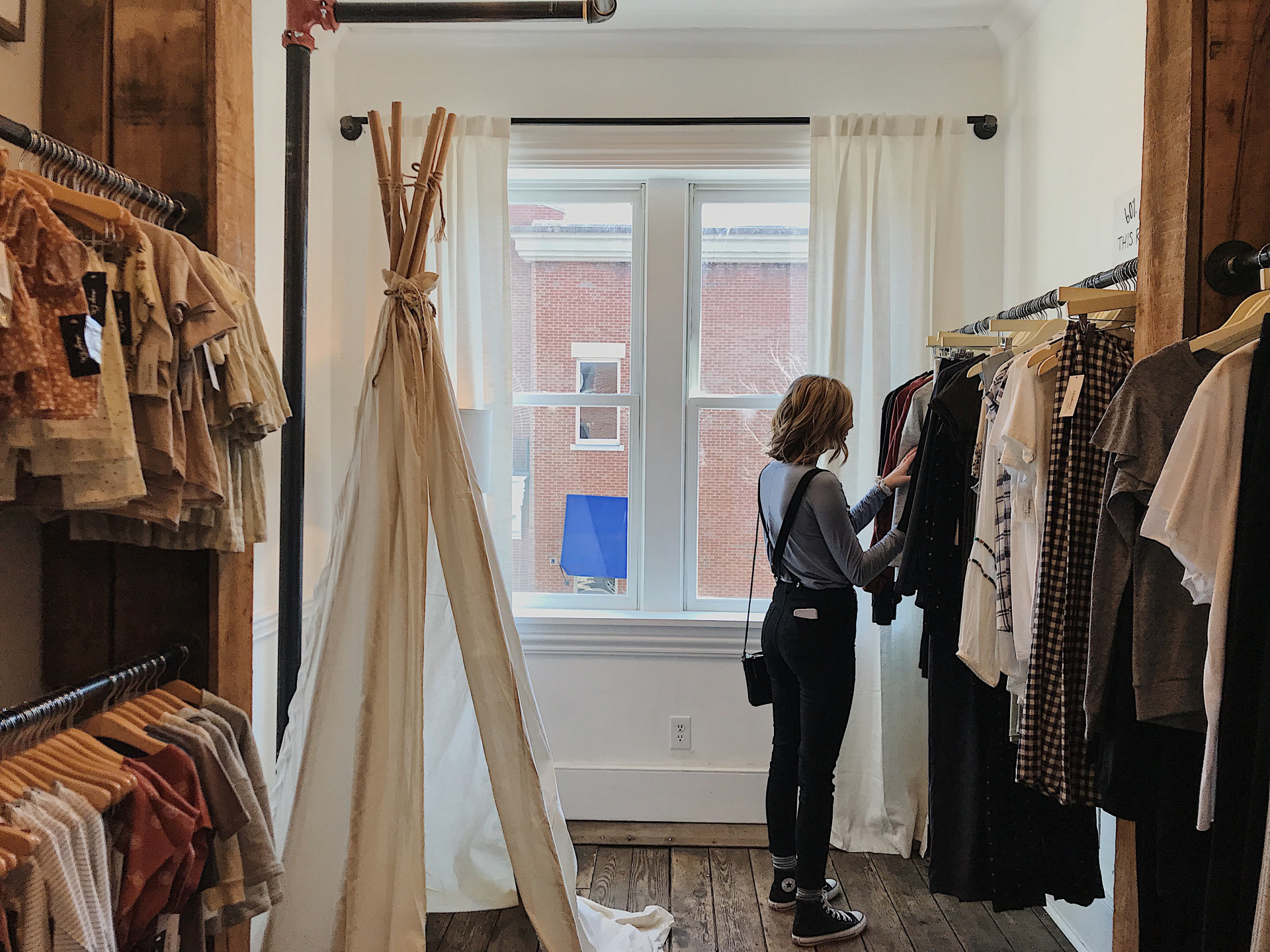
Mastering cheap shopping in the modern age requires a clear distinction between cheapness and true value. It involves cultivating a keen eye for durability, understanding secondary markets, and resisting the consumerist urge to buy things simply because they carry low price tags. By shifting from mindless consumption to intentional frugal strategy, shoppers can live comfortably and stylishly while spending a fraction of the average consumer budget.
Cheap vs. Value: Understanding the Quality Threshold
The biggest trap in low-cost shopping is confusing a low price tag with a good deal. Buying a pair of shoes for fifteen dollars seems like a victory until the soles separate after three weeks of walking. If you have to replace those shoes four times a year, you end up spending more than you would have on a durable, well-constructed pair that lasts for years.
- The True Cost Analysis: True cheap shopping relies on evaluating the total cost per use rather than the sticker price at checkout. An item that costs fifty dollars and is used two hundred times costs twenty-five cents per use. An item that costs ten dollars but breaks after two uses costs five dollars per use.
- Inspecting Material Integrity: Frugal shoppers focus on material composition. When shopping for apparel, look for natural fibers or dense synthetic blends with clean, reinforced stitching. When evaluating household items, prioritize solid metals, glass, or sturdy hardwoods over thin, brittle plastics.
- Avoiding the Fast Fashion Cycle: Ultra-low-cost fast fashion brands often design clothing meant to disintegrate quickly so consumers remain trapped in a continuous buy-and-replace cycle. Choosing timeless, durable baseline garments breaks this cycle and yields long-term savings.
Recognizing the line where a price becomes too cheap to be durable allows consumers to protect their wallets from recurring replacement costs.
Unlocking Alternative Retail Ecosystems
To find genuine bargains without sacrificing standard living quality, one must venture beyond conventional big-box retail stores and malls. Alternative retail channels offer access to premium products at microscopic prices.
Thrift Stores and Consignment Shops
Thrifting has evolved into a mainstream culture of treasure hunting. Because thrift stores receive donations from diverse households, their inventory frequently includes vintage garments, high-end kitchenware, solid furniture, and pristine books. Higher-end consignment shops curate their intake, providing gently used designer goods at steep markdowns off original retail prices.
Estate Sales and Liquidation Auctions
Estate sales are unrivaled for acquiring built-to-last home goods, tools, and kitchen appliances. Older household items were often manufactured under higher quality standards than modern mass-produced equivalents. Furthermore, commercial liquidation auctions allow individuals to buy office equipment, tools, and electronics direct from closing businesses for pennies on the dollar.
Peer-to-Peer Digital Marketplaces
Online local marketplaces have revolutionized secondhand buying. People regularly sell functional furniture, baby gear, sporting goods, and electronics simply because they are moving or downsizing. Exercising patience and negotiating respectfully on these platforms often nets pristine items for a tiny fraction of their original store cost.
Practical Habits for Daily Frugal Success
Adopting a cheap shopping lifestyle does not require living in extreme deprivation. Instead, it involves building smart daily habits that prevent money from leaking out through unexamined conveniences.
First, implement a cooling-off period before making non-essential purchases. Waiting forty-eight hours before buying an item eliminates emotional impulse purchases and gives you time to search for cheaper alternatives or evaluate if you truly need the item.
Second, embrace maintenance and basic repair. Learning simple skills like mending a loose seam, restoring wood furniture with polish, or performing basic maintenance on appliances extends product lifespans dramatically, eliminating the need to buy new replacements.
Finally, master the art of shopping off-season. Buy winter coats in late spring and patio furniture in late autumn. Retailers reduce prices significantly to clear warehouse space, allowing proactive buyers to stock up on essentials at clearance rates.
Conclusion
Cheap shopping in its purest form is an empowering financial philosophy. It is not about settling for inferior products or sacrificing comfort; it is about outsmarting traditional retail models through patience, research, and resourcefulness. By learning to distinguish true value from temporary cheapness, exploring secondhand retail channels, and practicing disciplined purchasing habits, consumers can secure high-grade goods while building lasting financial independence. Frugality, when practiced intentionally, turns everyday shopping into a rewarding balance of quality, strategy, and peace of mind.